


In Spankemoji (2015), language reinvents itself in a clash between word and image. The emoji emerges as an autonomous sign, a new form of virtual literacy that dispenses with the mediation of writing. Here, communication does not develop linearly but through immediate impact, where each symbol carries its own sensory charge, capable of transmitting emotions without the need for a single textual character.
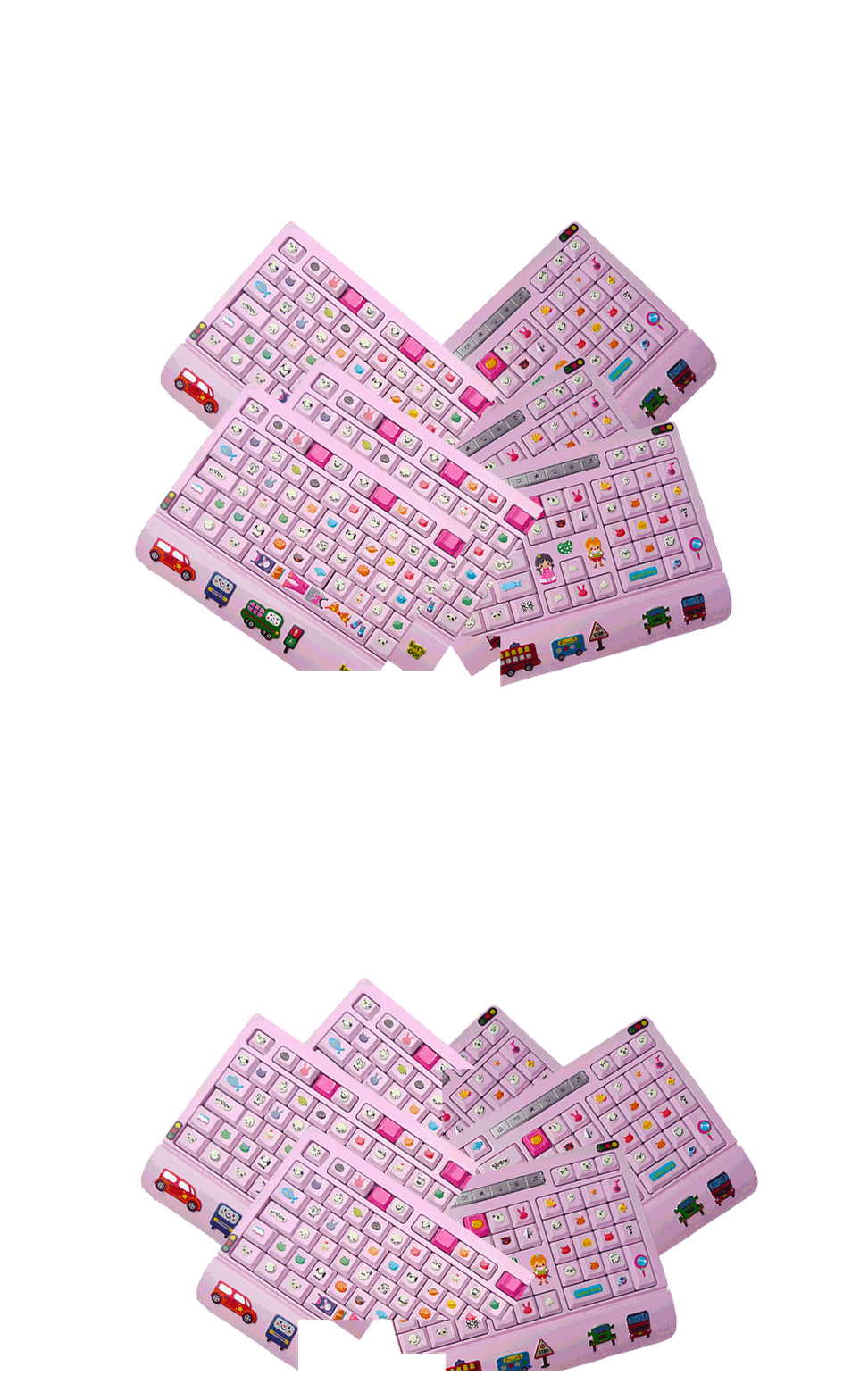
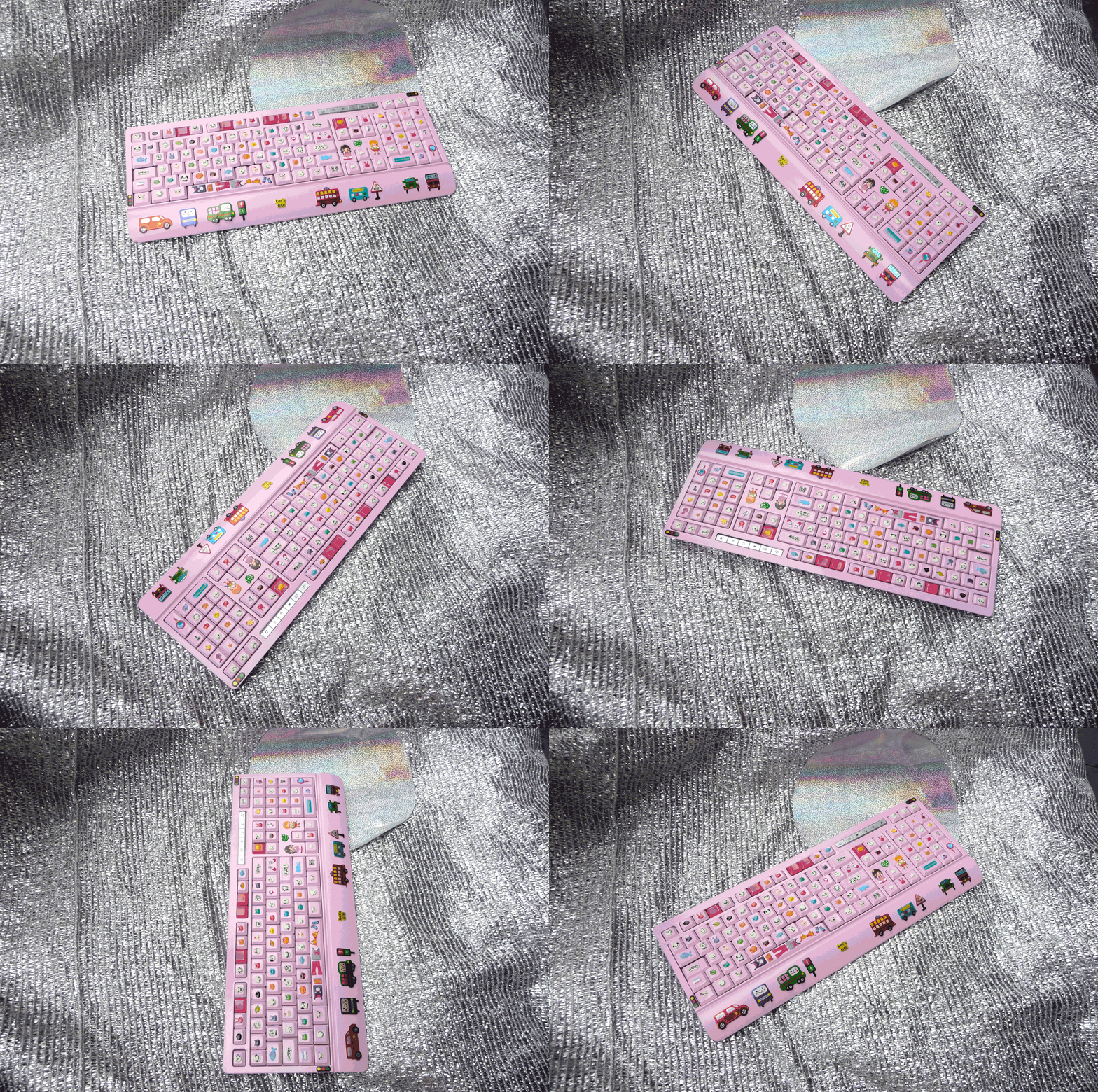
At the center of the work, a computer keyboard entirely painted in pastel pink transforms into a new interface. Without alphanumeric characters, its keys are filled only with emoji stickers, replacing letters and numbers with visual expressions. This reconfiguration of the keyboard suggests a symbolic transition: the space of writing is taken over by visual emotion, questioning the limits between expression, comprehension, and standardization of digital communication.




The work investigates this reconfiguration of language, where traditional grammar loses its protagonism to instant visual expression. In this process, emojis function as universal emotional codes, shaping interactions and establishing a more intuitive communicative dynamic—and, at the same time, potentially more superficial.
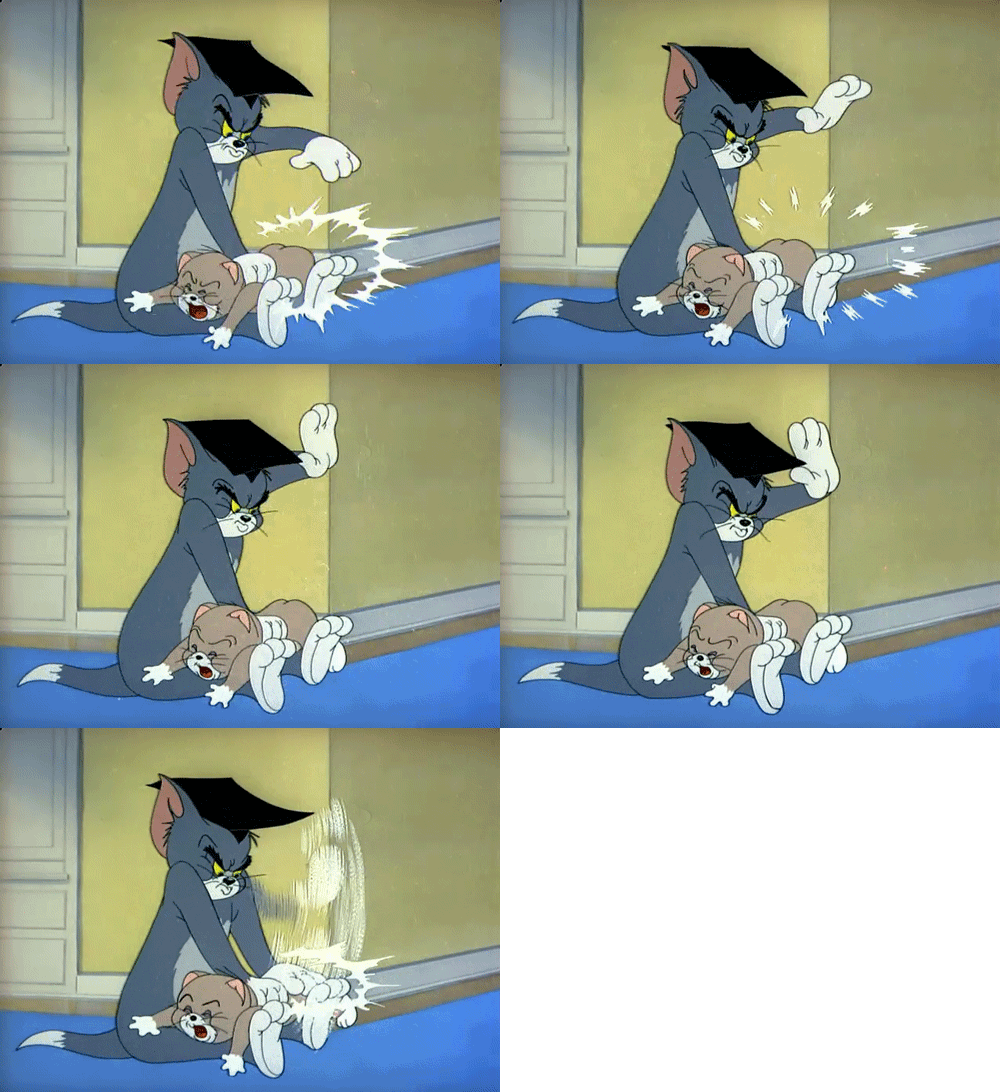
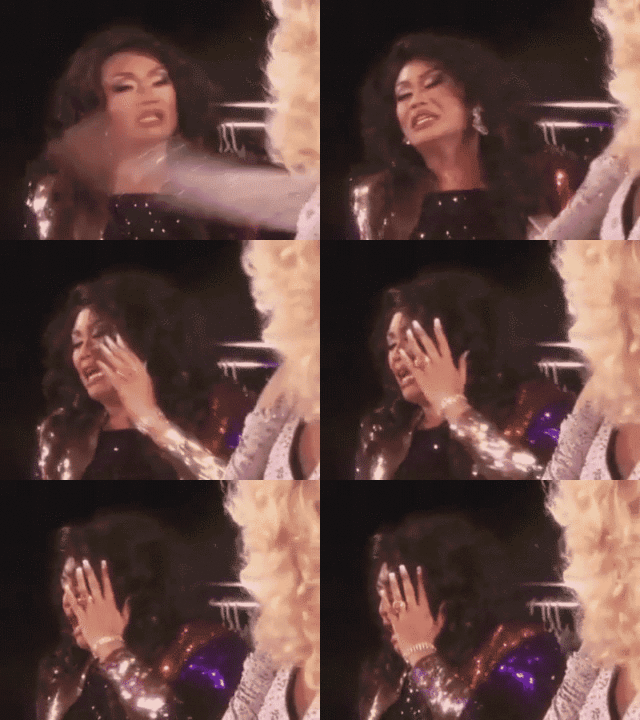
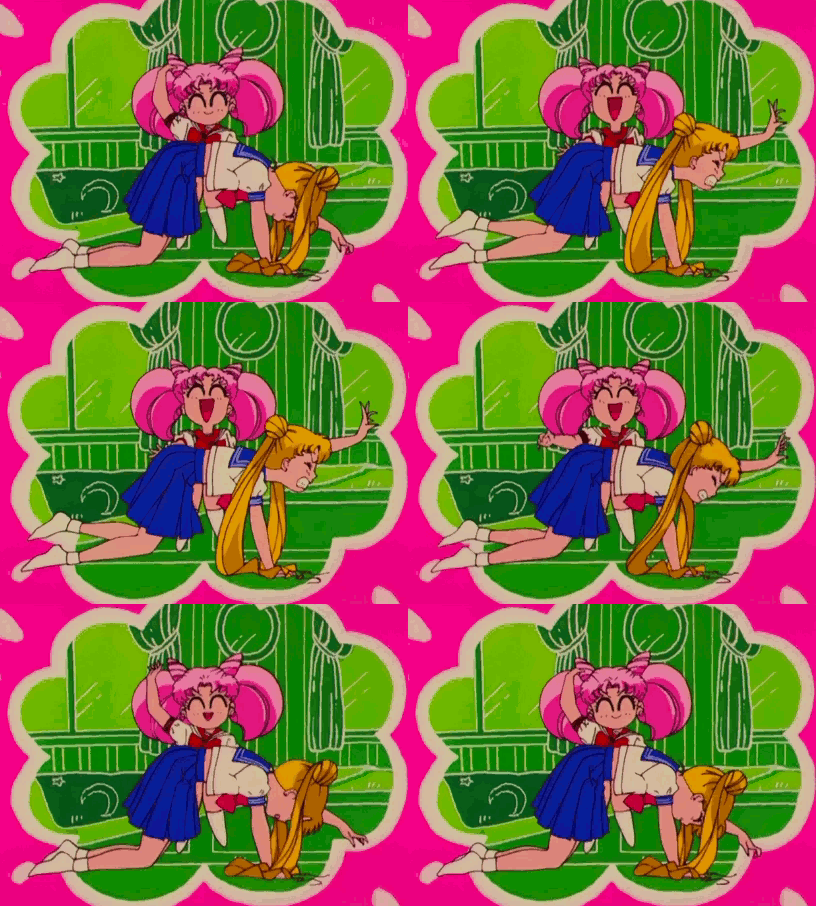
The title, Spankemoji, suggests this transgression: a "visual spank" that destabilizes conventional writing models, inserting a new digital vocabulary that dictates not only what is said but how it feels to say it.
The Spankemoji keyboard is more than an object; it becomes a material manifesto of the new era of communication, where the image surpasses the text and redefines how we express ourselves in the virtual world.
Communication has changed—and it didn't ask for permission.







Ficha Técnica:
Dimensões: 46 x 3 x 15 cm
Sculpture on computer keyboard.